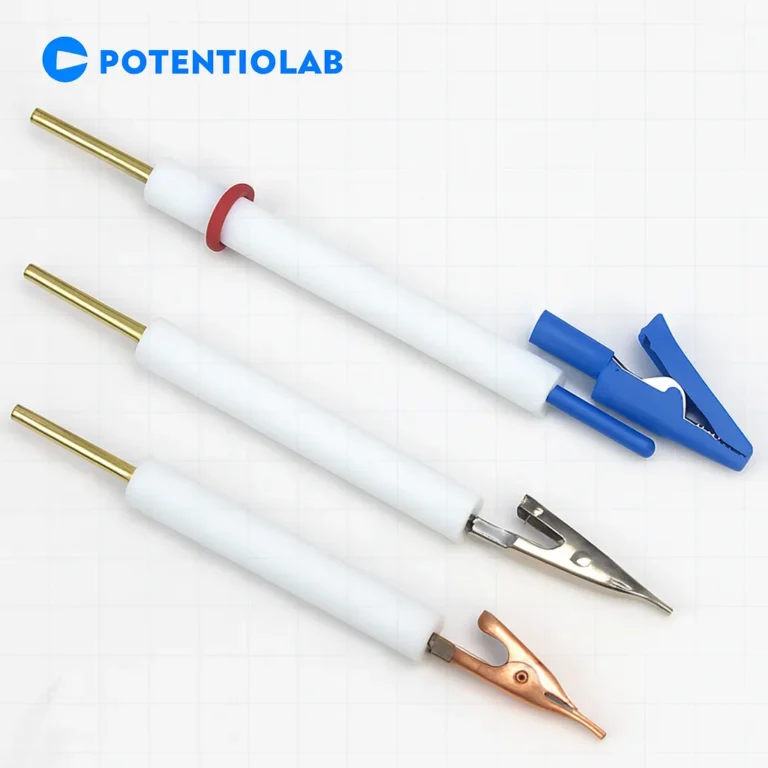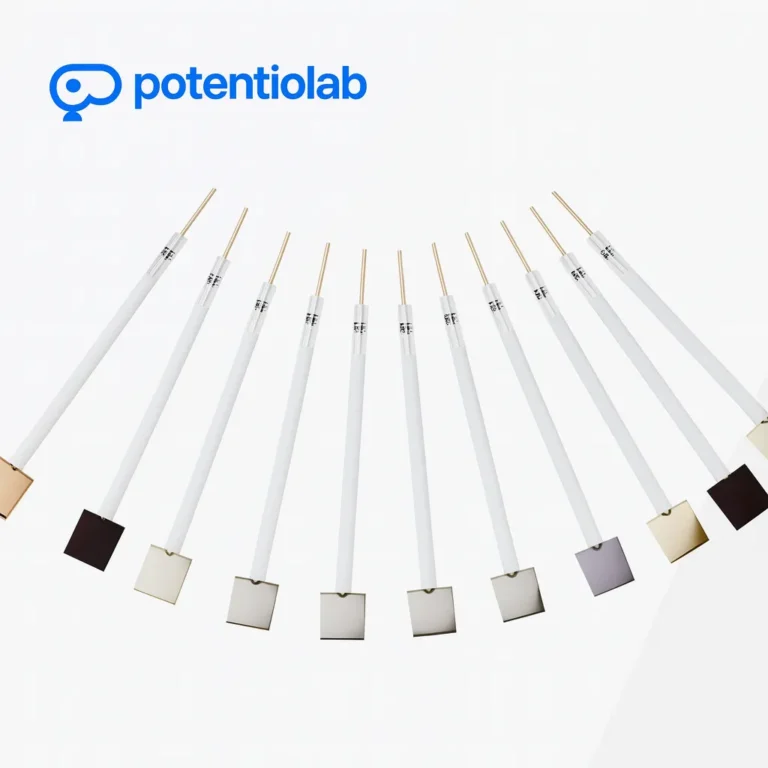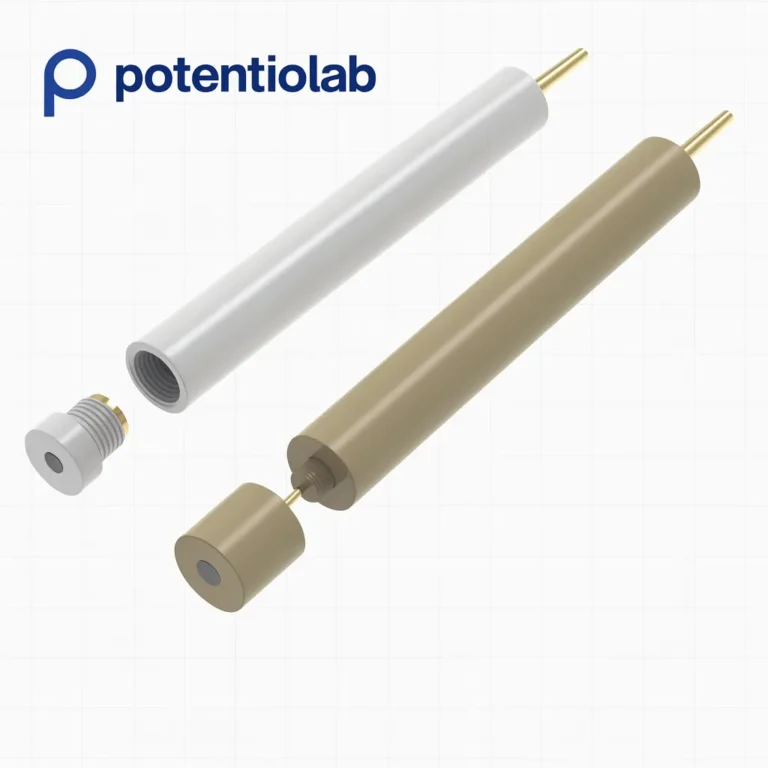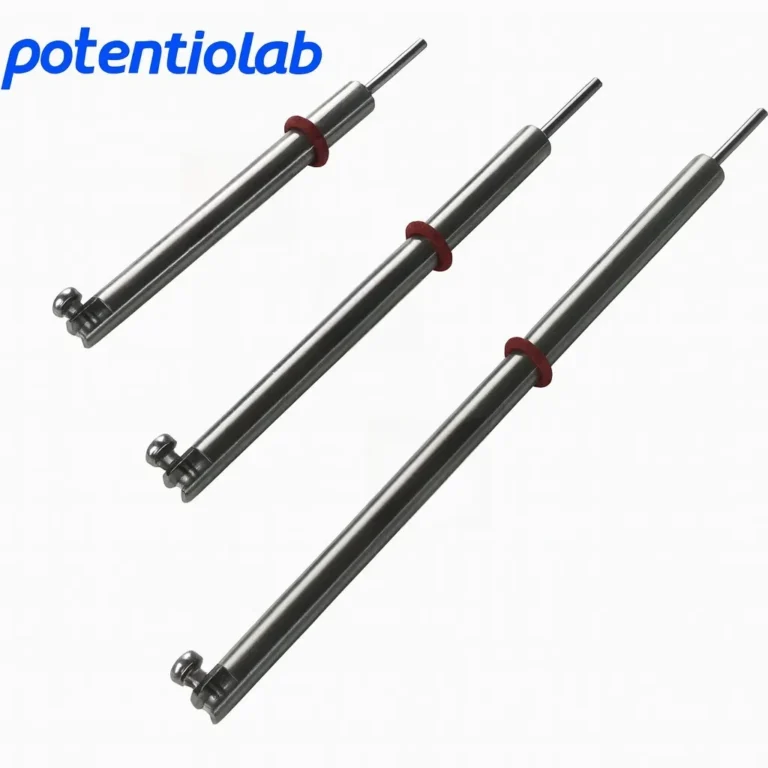
Professional Working Electrodes

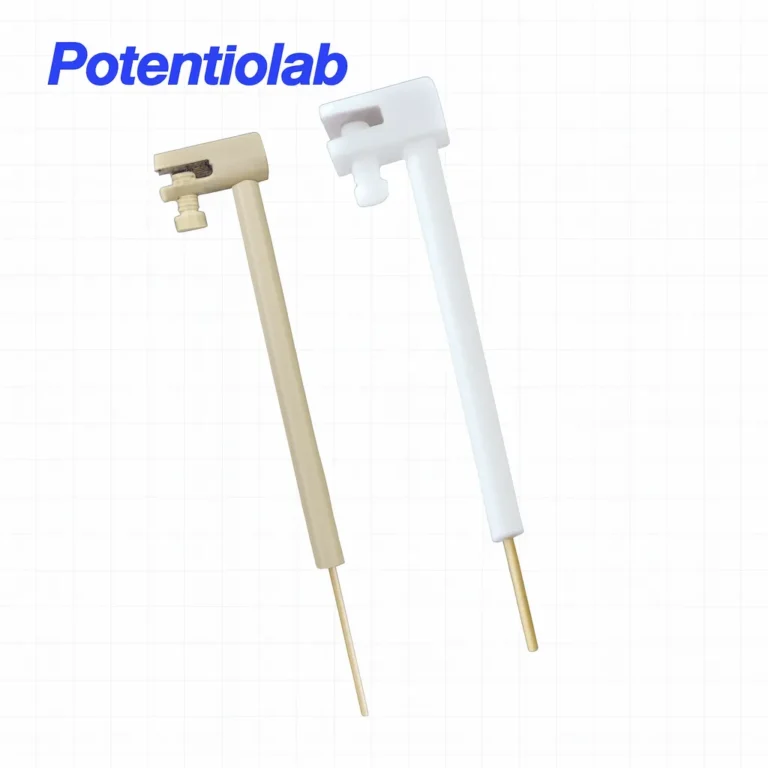
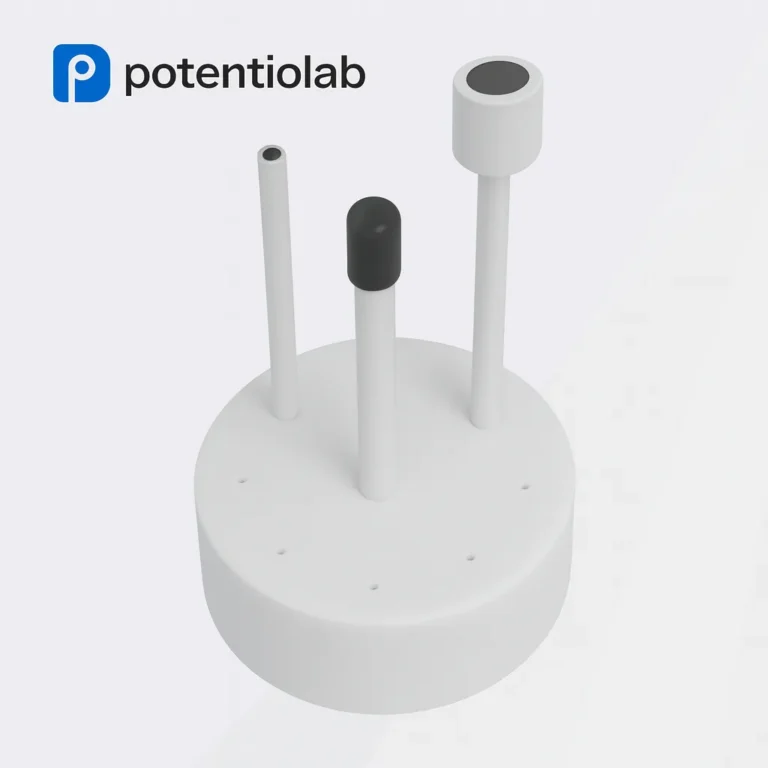
The working electrode is the core electrode in an electrochemical system where the target redox reaction occurs. It is commonly used together with a counter electrode and a reference electrode in standard three-electrode configurations.

Working electrodes are available in a variety of materials, including gold, platinum, glassy carbon, graphite, and boron-doped diamond, allowing compatibility with different electrochemical applications and electrolyte systems.

Learn more about working electrodes: Wikipedia – Working Electrode

Applications

  • Cyclic Voltammetry (CV)
  • Electrochemical Sensing
  • Corrosion Studies
  • Battery & Energy Research
  • Electrocatalysis
  • Biosensor Development

Key Features

  • Excellent Chemical Stability
  • Wide Potential Window
  • Low Background Current
  • High Conductivity
  • Reliable Experimental Reproducibility
Showing 1 – 10 of 24 results Showing all 24 results Showing the single result No results found
Category
Sort by Name A - Z
Showing 1 – 10 of 24 results Showing all 24 results Showing the single result No results found
Filters Sort results
Reset Apply
123

Professional Counter Electrodes

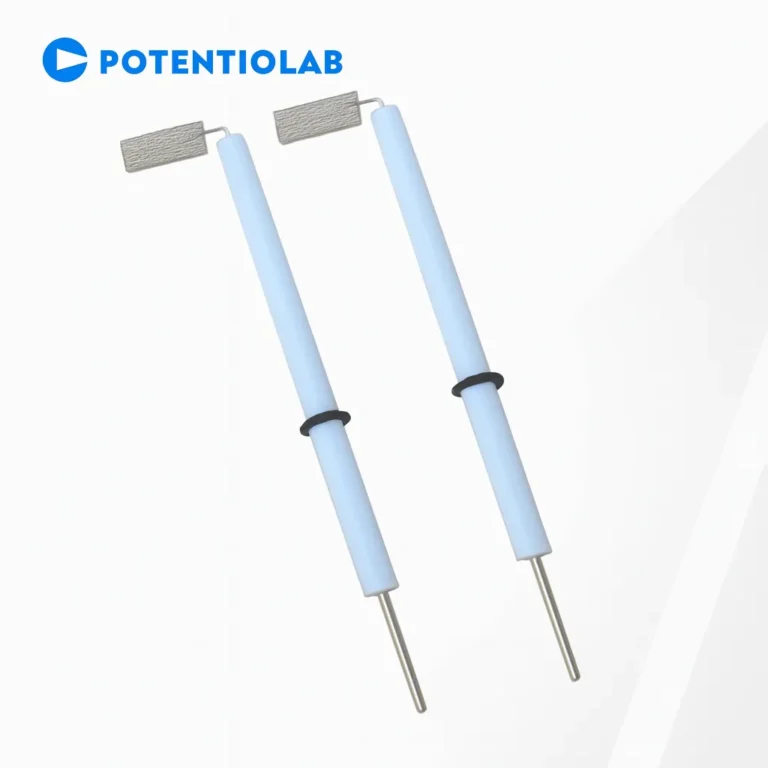
Counter electrodes, also referred to as auxiliary electrodes, are essential components in three-electrode electrochemical systems. They provide a stable current path to support accurate and reproducible electrochemical measurements during testing.

Potentiolab offers counter electrodes in platinum, graphite, titanium, nickel, and stainless steel materials for applications including cyclic voltammetry (CV), electrochemical impedance spectroscopy (EIS), electrocatalysis, battery research, HER/OER studies, and electrochemical sensing.

Showing 11 – 20 of 26 results Showing all 26 results Showing the single result No results found
Category
Sort by Name A - Z
Showing 11 – 20 of 26 results Showing all 26 results Showing the single result No results found
Filters Sort results
Reset Apply
123

Professional Reference Electrodes

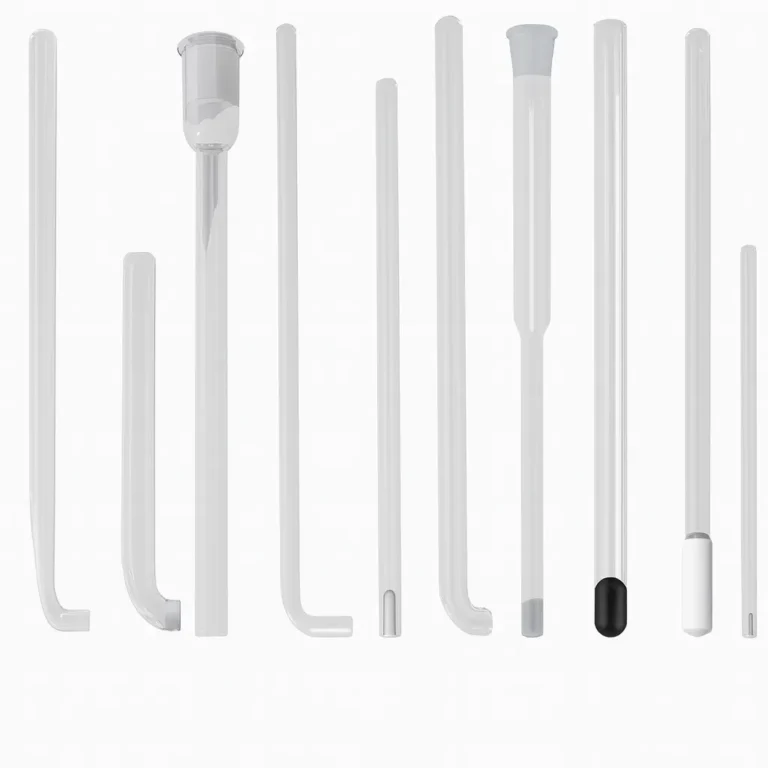
A reference electrode is an electrode with a stable and well-defined electrochemical potential, used as a fixed reference point in electrochemical measurements. In three-electrode systems, it enables accurate control and monitoring of the working electrode potential during electrochemical testing.

Potentiolab reference electrodes are suitable for cyclic voltammetry (CV), electrochemical impedance spectroscopy (EIS), corrosion analysis, battery research, electrocatalysis, and electrochemical sensing applications. Available in Ag/AgCl, saturated calomel (SCE), Hg/HgO, and other common reference electrode configurations.

Learn more about reference electrodes: Wikipedia – Reference Electrode

Showing 1 – 1 of 1 results Showing all 1 results Showing the single result No results found
Category
Sort by Name A - Z
Showing 1 – 1 of 1 results Showing all 1 results Showing the single result No results found
Filters Sort results
Reset Apply
Image
Name
Price
Quantity
Add to cart
$4.00-$67.00
Max:
Min: 1
Step: 1

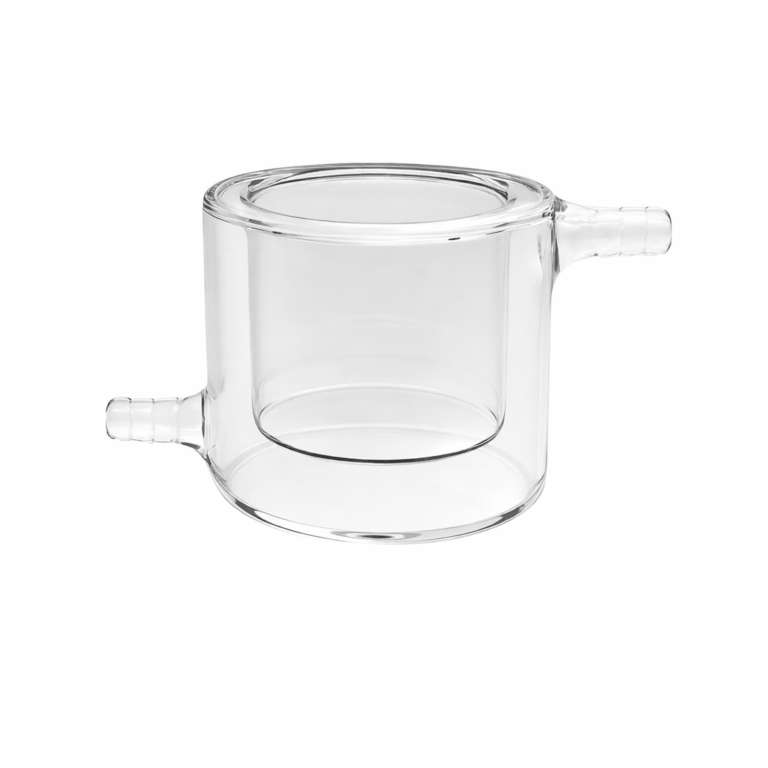
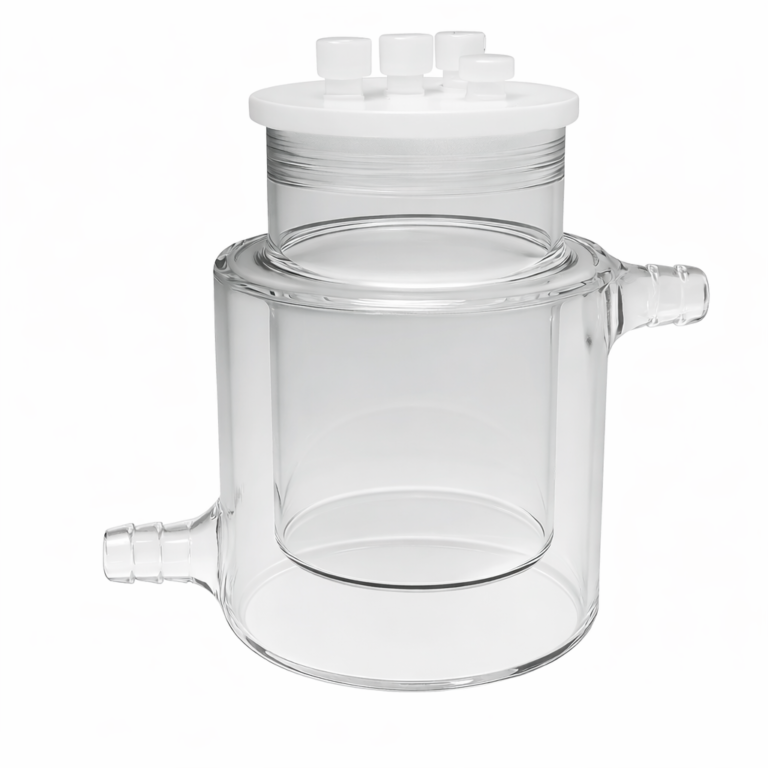
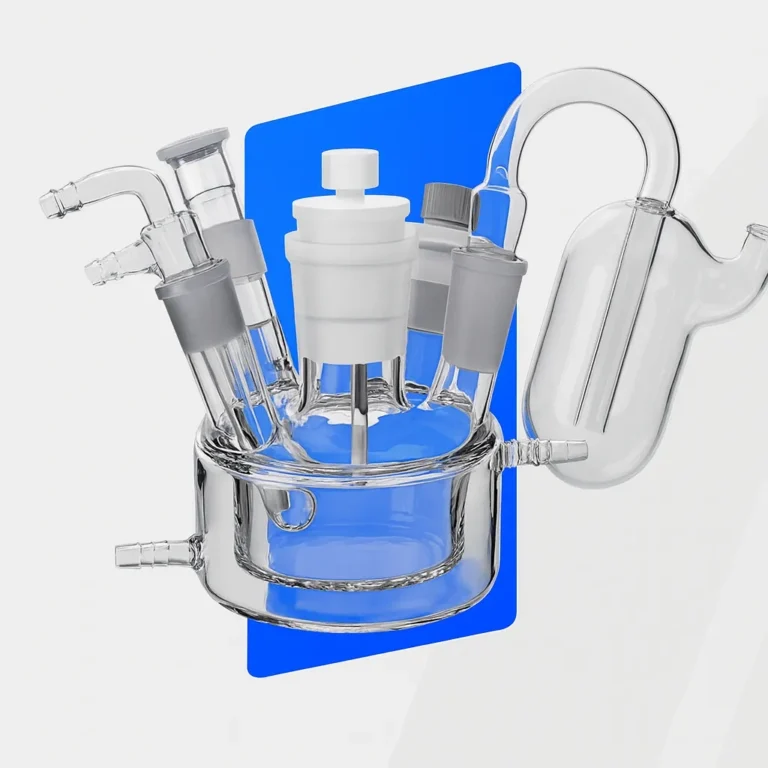
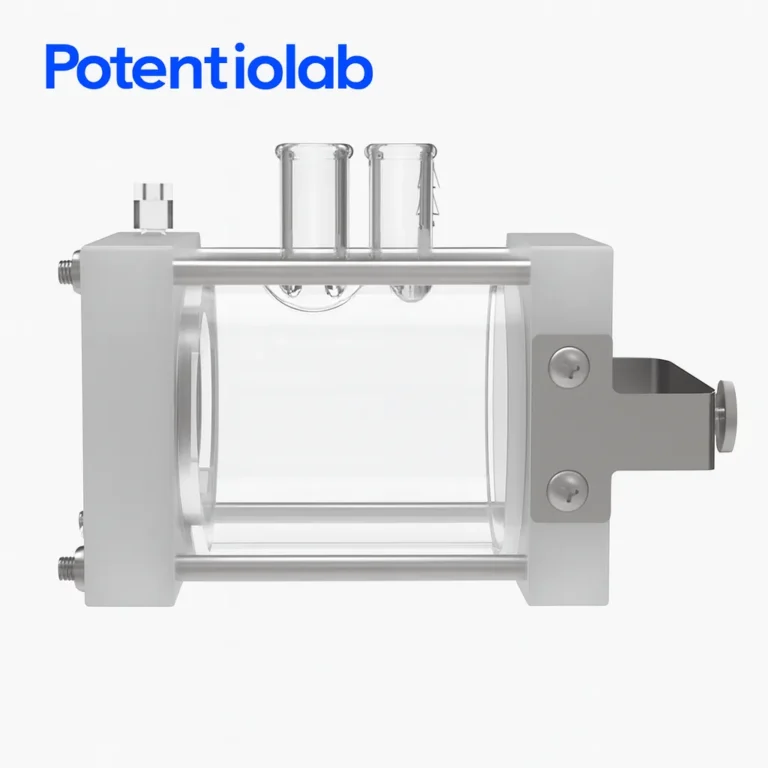
Electrochemical Cells

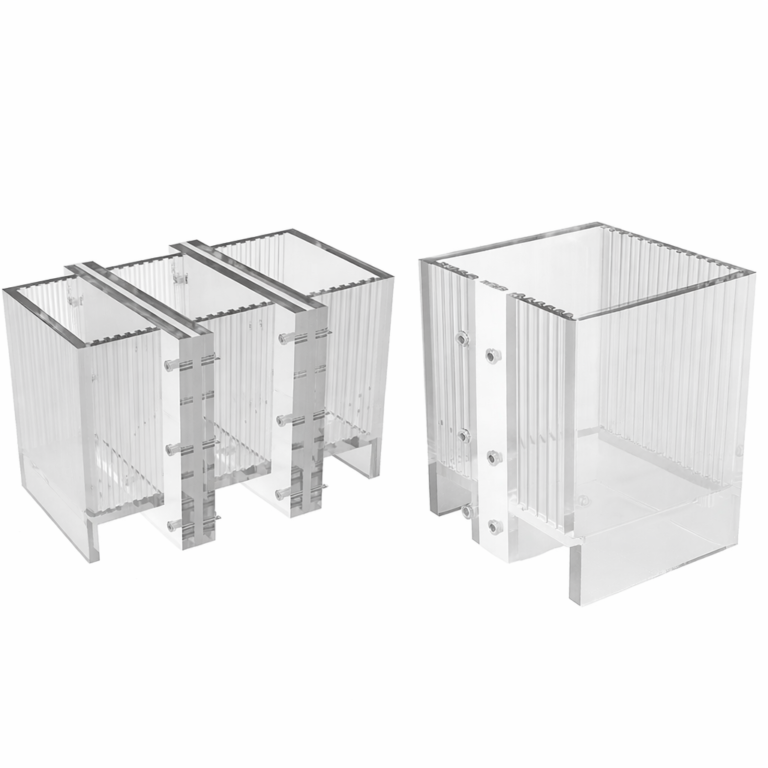
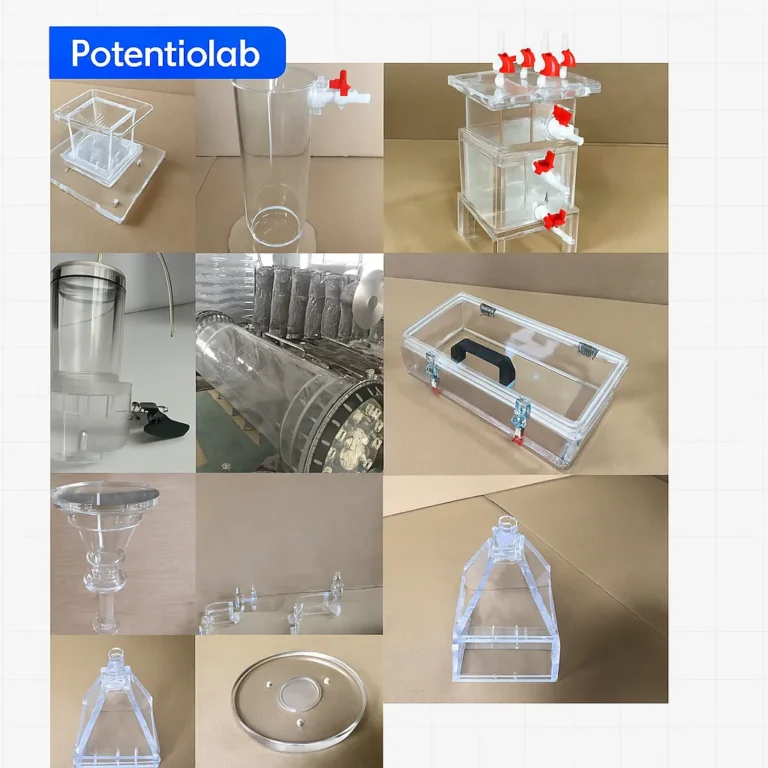
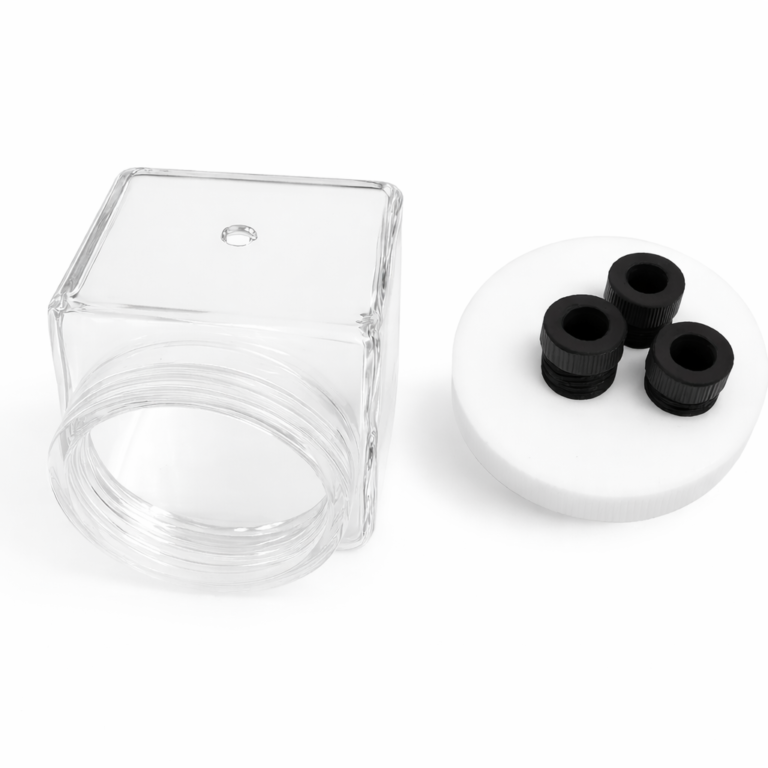
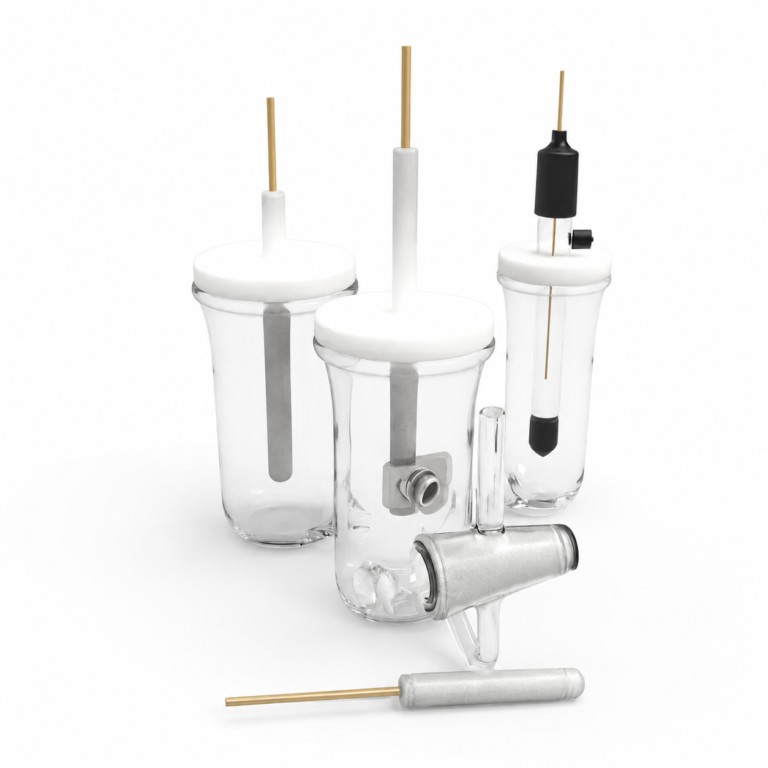
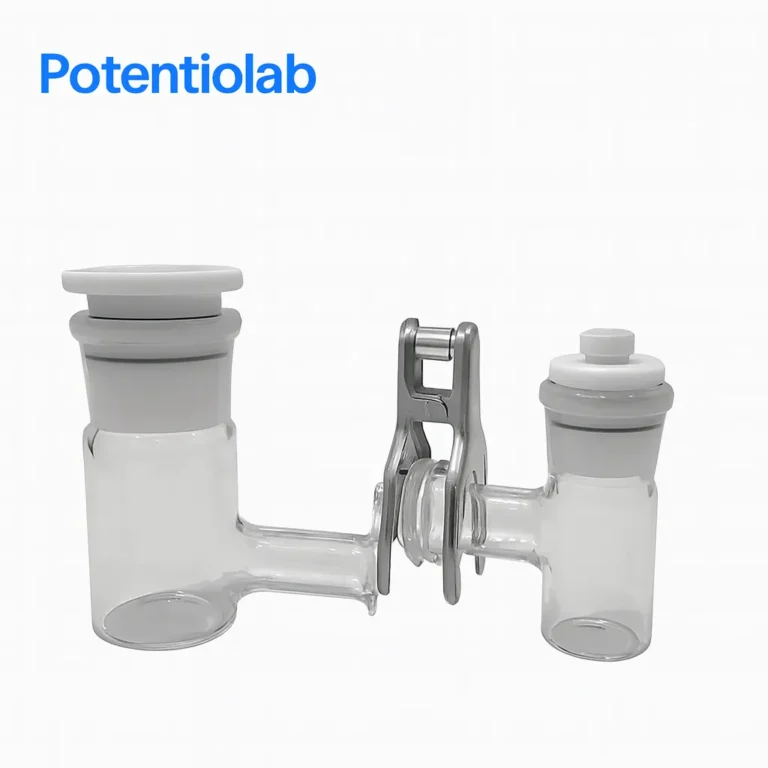
An electrochemical cell is a device used to generate electrical energy from chemical reactions or to drive chemical reactions using electrical energy. It typically consists of two electrodes immersed in an electrolyte solution, enabling electron transfer and electrochemical reactions within the system.

In electrochemical cells, oxidation reactions occur at the anode, while reduction reactions take place at the cathode. Current flows between the electrodes through the external circuit, allowing researchers to study electrochemical behavior, reaction kinetics, corrosion processes, battery materials, electrocatalysis, and energy storage systems.

Potentiolab electrochemical cells are designed for cyclic voltammetry (CV), electrochemical impedance spectroscopy (EIS), battery and supercapacitor testing, HER/OER studies, corrosion analysis, and electrochemical sensing applications.

Learn more about electrochemical cells: Wikipedia – Electrochemical Cell

Showing 1 – 10 of 38 results Showing all 38 results Showing the single result No results found
Category
Sort by Name A - Z
Showing 1 – 10 of 38 results Showing all 38 results Showing the single result No results found
Filters Sort results
Reset Apply
123

Screen-Printed Electrodes (SPEs)

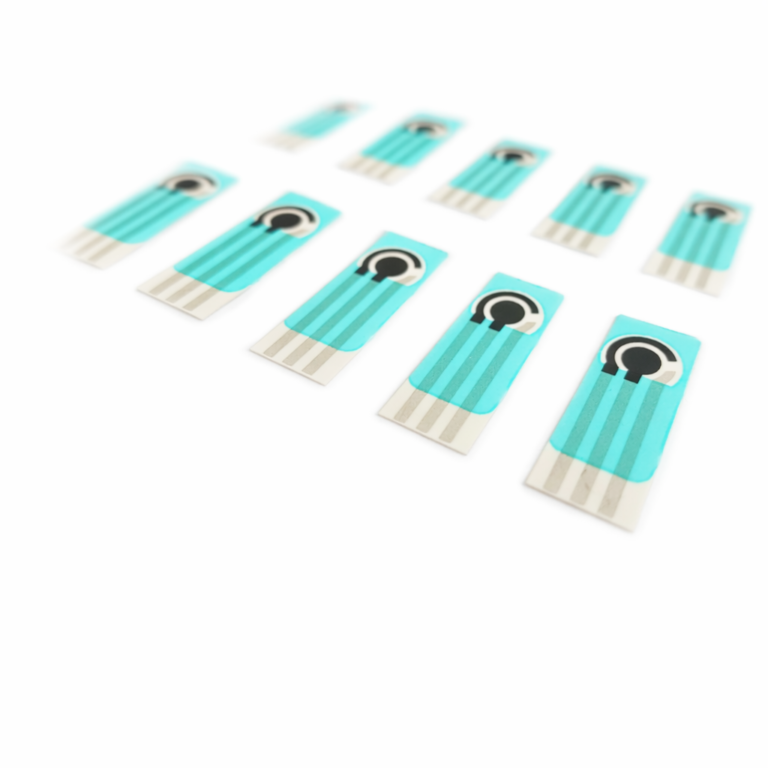
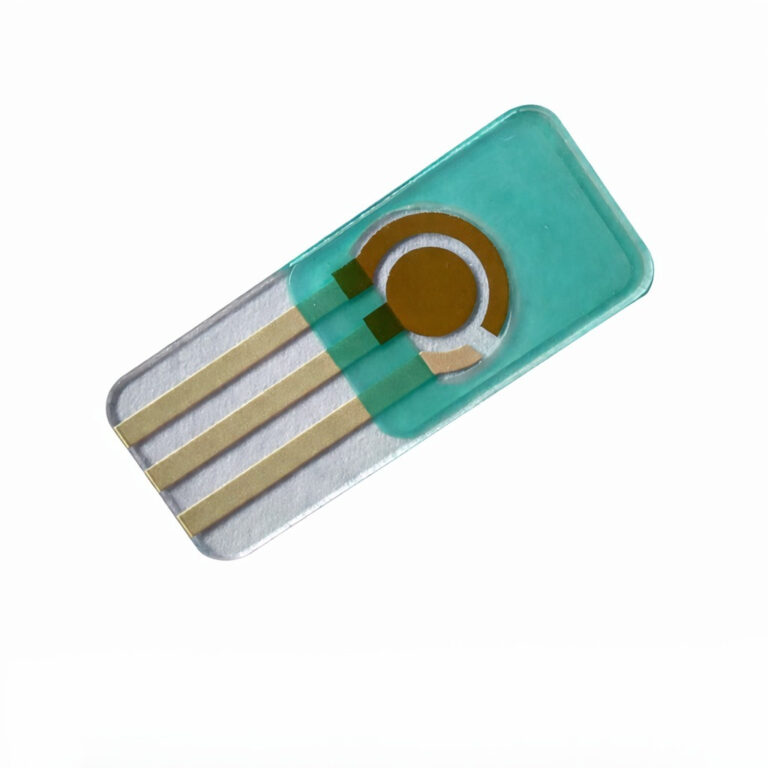
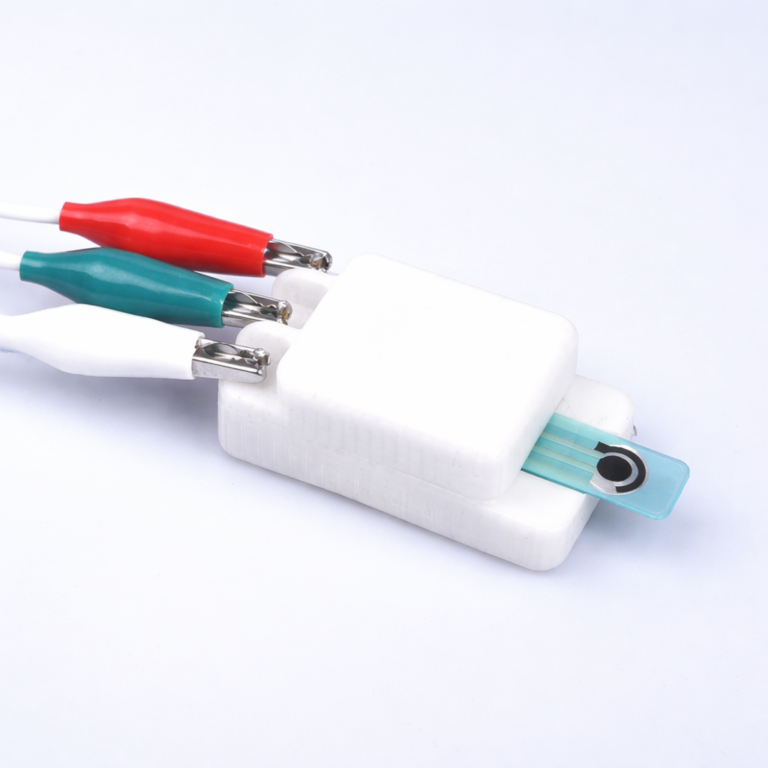
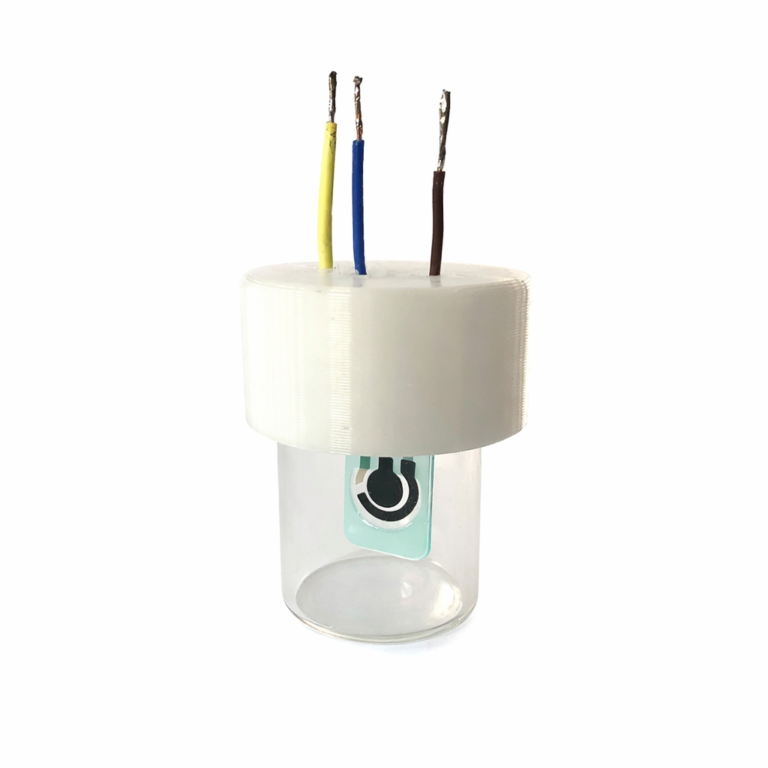
Screen-printed electrodes (SPEs) are compact electrochemical sensors manufactured by printing conductive inks onto ceramic or plastic substrates. They enable fast, highly reproducible, and low-volume electrochemical measurements for laboratory and on-site analysis.

Different electrode materials including carbon, gold, platinum, and silver can be used to optimize sensitivity, conductivity, and chemical selectivity for specific electrochemical applications.

Potentiolab screen-printed electrodes are widely used in electrochemical sensing, biosensors, environmental monitoring, food safety testing, medical diagnostics, battery research, and portable electrochemical analysis systems.

Custom electrode configurations are available with modified inks, nanomaterials, enzymes, polymers, and catalytic materials for advanced electrochemical research and sensor development.

Learn more about screen-printed electrodes: Wikipedia – Screen-Printed Electrodes

Showing 1 – 10 of 10 results Showing all 10 results Showing the single result No results found
Category
Sort by Name A - Z
Showing 1 – 10 of 10 results Showing all 10 results Showing the single result No results found
Filters Sort results
Reset Apply

Solid-State Battery Molds

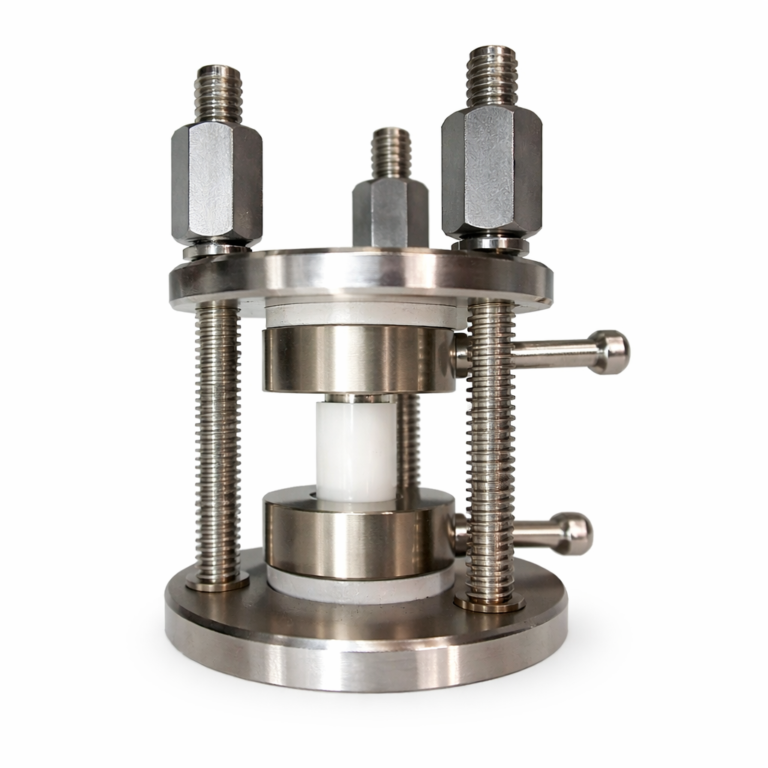
Solid-state battery molds are specialized laboratory tools designed for the pressing, assembly, and testing of solid-state battery materials and electrochemical cells. They are widely used in solid electrolyte pellet preparation, battery research, and electrochemical performance evaluation.

Potentiolab solid-state battery molds are suitable for solid electrolyte pressing, coin cell assembly, powder compaction, hot pressing, and all-solid-state battery research applications. Available in stainless steel, titanium alloy, PEEK, and high-temperature resistant configurations.

Designed for laboratory research and material development, these molds provide excellent sealing performance, pressure resistance, chemical stability, and compatibility with a wide range of electrochemical testing systems.

Showing 11 – 20 of 48 results Showing all 48 results Showing the single result No results found
Category
Sort by Name A - Z
Showing 11 – 20 of 48 results Showing all 48 results Showing the single result No results found
Filters Sort results
Reset Apply
123